- Social & Emotional Learning (SEL)
3 Ways to Make Your Secondary Classroom a Place Where Students Can Thrive
After asking, ‘How do I get this student to engage?’ teachers can go on to ask, ‘What kind of classroom would make them want to?’ - Administration & Leadership
How School Leaders Can Support Neurodivergent Teachers
Genuine inclusion practices can go a long way toward making your school feel welcoming to neurodivergent teachers.164Your content has been saved!
Go to My Saved Content. - Research
How Often Should You Return to What You Just Taught?
Spaced practice, used strategically to reinforce foundational concepts, helps students develop deeper, more durable learning, research shows.805Your content has been saved!
Go to My Saved Content. - Student Engagement
How to Bring Social Studies to Life
By investigating familiar places, analyzing visual data, and exploring perspectives from the past, students can build a deeper understanding of history and culture.3.4kYour content has been saved!
Go to My Saved Content. - Classroom Management
Things I’ve Stopped Doing After 20 Years of Teaching
‘I haven’t become interested in making school easier for students’: A classroom veteran shares how she works to remove unnecessary obstacles in order to focus students’ efforts on learning. - Place-Based Learning
Using the Local Community as a Focus for Elementary Social Studies
This four-step process helps teachers develop standards-aligned instruction that fosters students’ connection to their home. - Project-Based Learning (PBL)
Preschool Project-Based Learning Is Doable With These Mindsets
Teachers can use these tips to guide explorations of students’ natural interests and document their learning.519Your content has been saved!
Go to My Saved Content. - Student Engagement
Planning an Engaging School Assembly
Modern classrooms are dynamic and interactive, and you can bring that energy to assemblies as well. - New Teachers
The 3 Questions at the Heart of Any Lesson
These reflections and tips can help teachers—especially new teachers—ensure that students will be actively engaged in learning.1.4kYour content has been saved!
Go to My Saved Content. - Teaching Strategies
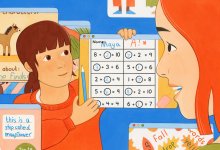
Making Student Learning Visible in Math Class
The activity in the room may look like learning, but how can teachers be sure? These three interconnected strategies can help.










Popular
- Literacy
How to Lock In New Vocabulary in 10 Minutes a Day
A weeklong vocabulary routine with movement and repetition helps students go beyond definitions and put new words to use in conversation and writing. - Student Voice
Using Quick, Regular Surveys to Help Students Feel Seen
High school teachers can use these ideas to quickly gather insights into how students are doing both academically and personally.59.8kYour content has been saved!
Go to My Saved Content. - The Research Is In
How Good Teachers Get Even Better
Like elite athletes and musicians, even outstanding teachers have room to grow. Here are 6 research-based ways to keep sharpening your skills. - AI in Education
5 ‘Good’ AI Use Cases That Are Actually Bad for Students
Consider the specific skills that students are meant to practice, then determine whether using AI outsources the work needed to build them. - School Libraries
How Book Cover Keychains Boosted Our School’s Culture of Reading
This clever idea, which came from a librarian’s TikTok, is easy to carry out and encourages lively conversations about books.





- Technology Integration
Encouraging Autonomy, Mastery, and Purpose in Computer Science
A middle school teacher describes how he uses ideas from Daniel Pink’s book ‘Drive’ to instill a sense of agency in his students.1.1kYour content has been saved!
Go to My Saved Content. - AI in Education
5 ‘Good’ AI Use Cases That Are Actually Bad for Students
Consider the specific skills that students are meant to practice, then determine whether using AI outsources the work needed to build them. - AI in Education
Can AI Pass as Shakespeare? Let Students Be the Judge
By prompting an AI chatbot to craft a Shakespearean sonnet, then auditing its fidelity to the form, students get a crash course in close reading (and a healthy dose of AI skepticism). - Technology Integration
7 Ways Tech Can Make Learning More Visible to Families
From weekly recaps to shared portfolios, simple digital routines can give families a clearer picture of what’s happening in the classroom. - Student Voice
Using Quick, Regular Surveys to Help Students Feel Seen
High school teachers can use these ideas to quickly gather insights into how students are doing both academically and personally.59.8kYour content has been saved!
Go to My Saved Content.


- Brain-Based Learning
A 4-Step Plan for Promoting Metacognition in Middle School
Thinking about how they think helps students develop an essential skill that supports their academic success and independence. - Brain-Based Learning
Quiz: What Do You Know About Memory and Retention?
A fun, 12-question quiz that tests your knowledge of how learned material is stored and recalled.38.6kYour content has been saved!
Go to My Saved Content. - Brain-Based Learning
What to Do When Students Think They Already Know Something
If students think they’ve mastered something, they have little reason to make an effort. These strategies help them see the limits of their knowledge. - Brain-Based Learning
Podcast: The Extraordinary Impact of Drawing to Learn
In Selim Tlili’s high school classroom, sketching isn’t about artistic ability. It’s a simple—but powerful—tactic for boosting student recall and comprehension.
23.4kYour content has been saved!
Go to My Saved Content. - Brain-Based Learning
Attention-Friendly Teaching Techniques in Secondary Classrooms
Teachers can use what we know about attention spans to draw students in and keep them engaged in lessons.





- Administration & Leadership
What Can School Leaders Do to Support a Struggling Teacher?
Teachers often feel alone facing an issue in the classroom, and maintaining lots of points of contact can help them open the door to offers of support.7.3kYour content has been saved!
Go to My Saved Content. - Administration & Leadership
Adjusting Your Evaluation Framework to Nurture Teachers’ Growth
Evaluations often act as a rearview mirror, but teachers need a GPS: feedback that focuses on next steps and guides instructional adjustments.2.9kYour content has been saved!
Go to My Saved Content. - Instructional Coaching
Supporting Teacher Growth Through Trusting Relationships
An assistant principal considers two things when coaching a teacher—the visible elements of the lesson and the invisible element of the teacher’s mindset.6.9kYour content has been saved!
Go to My Saved Content. - Literacy
How to Successfully Implement High-Quality Instructional Materials
As more schools adopt the science of reading, it’s important for teachers to be supported in working to improve students’ literacy skills.3.7kYour content has been saved!
Go to My Saved Content. - Instructional Coaching
Streamlining Instructional Coaching With Tech for Systemwide Change
With the right tools, you can elevate coaching from an individual practice and turn it into a school improvement engine.1.8kYour content has been saved!
Go to My Saved Content.