6-8 Middle School
Explore and share tips, strategies, and resources for helping students develop in grades 6-8.
A 4-Step Plan for Promoting Metacognition in Middle School
Thinking about how they think helps students develop an essential skill that supports their academic success and independence.Getting the Most Out of the Reader’s Notebook
In high school, reading instruction sometimes gets short shrift. Interactive notebooks can increase students’ intrinsic motivation to read.Your content has been saved!
Go to My Saved Content.6 Foundational Ways to Scaffold Student Learning
A collection of evidence-backed tips to help students cross the bridge from confusion to clarity.Your content has been saved!
Go to My Saved Content.What to Do When Students Think They Already Know Something
If students think they’ve mastered something, they have little reason to make an effort. These strategies help them see the limits of their knowledge.Will These 6 Sneaky Charts, Maps, and Graphs Deceive Your Students?
In a media landscape overrun with slick data visualizations, students must develop the skills to scrutinize what’s presented to them as fact—or risk being led astray.A Rubric for Assessing Your Classroom Management Strengths and Weaknesses
This detailed rubric enables teachers to methodically reflect on their routines in order to understand the status of their class.How Book Cover Keychains Boosted Our School’s Culture of Reading
This clever idea, which came from a librarian’s TikTok, is easy to carry out and encourages lively conversations about books.Kicking Your Beginning-of-Year Activities Up a Notch
A teacher shares variations on covering the syllabus, creating class norms, and starting to build a community that he designed to boost student engagement from day one.Late Work Policies That Motivate Students Without Punishing Them
Completing work on time is a learnable skill, and teachers can use these restorative practices to help students develop it.60-Second Strategy: Mystery Number
Starting class with this fun math review activity gets students out of their seats, boosts their problem-solving skills, and promotes collaboration.8 Classroom AI Policies Developed by Teachers
Setting clear, shared expectations around student AI use is uncharted territory for many teachers. Educators across disciplines and grade levels share their current policies.Responding to Students’ Questions With (Better) Questions
When students run into problems, it can be tempting to immediately provide help, but guiding them to engage in productive struggle is more effective in the long term.7.3kYour content has been saved!
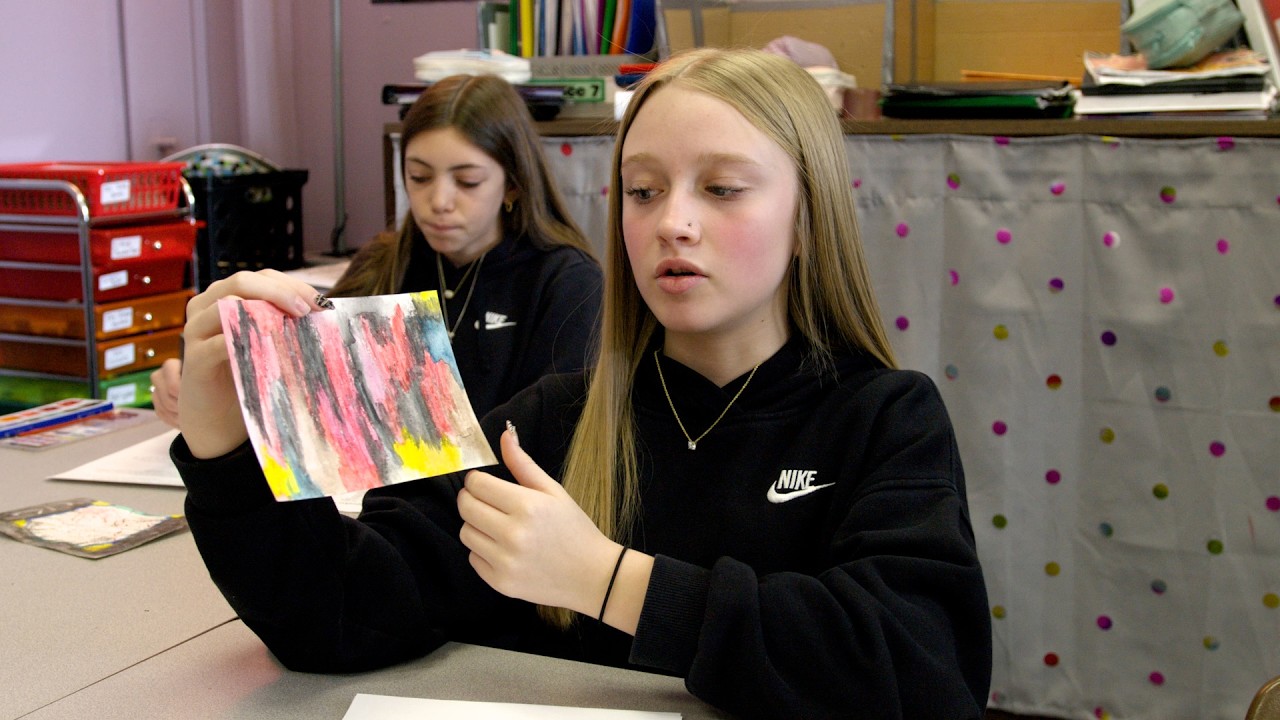
Go to My Saved Content.Using Watercolors to Teach Mood and Tone
When students approach abstract concepts through hands-on activities like painting, their literary analysis skills improve—and their writing does, too.60-Second Strategy: Science Word Sorts
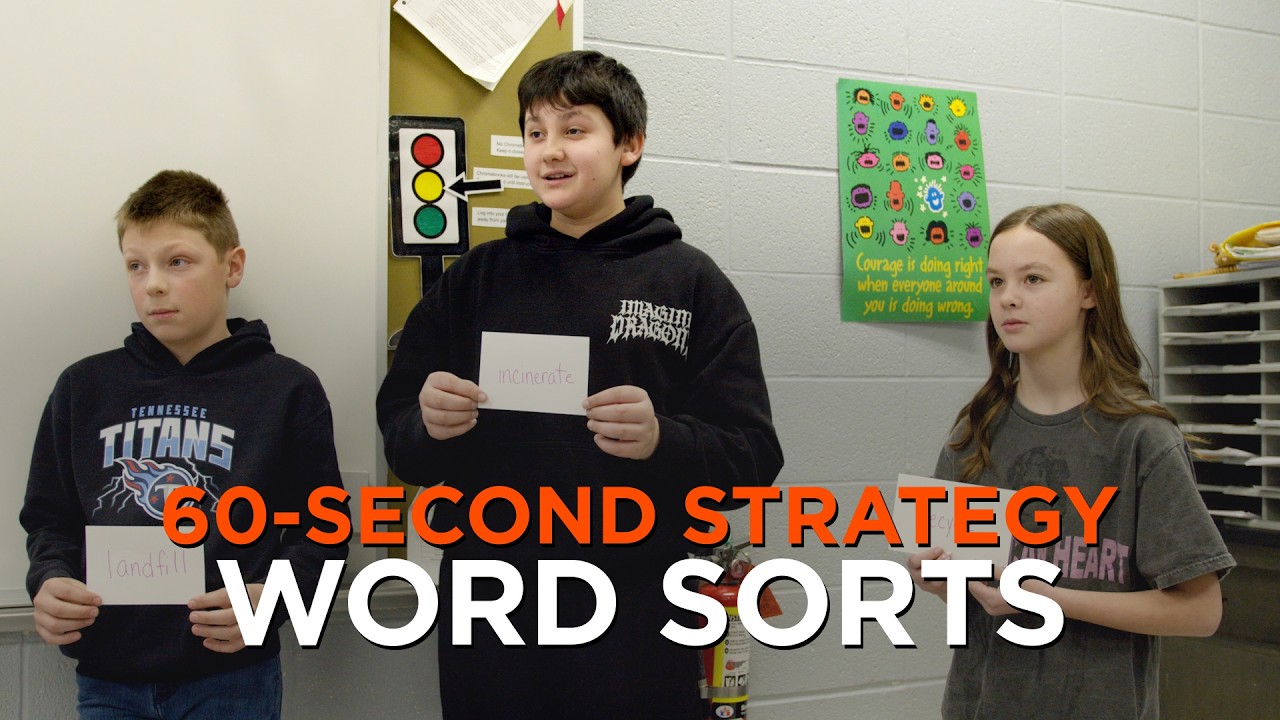
A flexible warm-up where students work together to group related vocabulary words or concepts can cement their understanding—and help teachers assess prior knowledge.How to Determine a Multilingual Student’s Proficiency With Academic English
English learners who understand an academic concept may still struggle to articulate their understanding, and these scaffolds can help.9.5kYour content has been saved!
Go to My Saved Content.