Math
Explore and share tips, strategies, and resources for helping students develop in mathematics.
Tips for Supporting Elementary Students’ Math Thinking at Home
Letting parents know what is happening in class and simple ways they can discuss the lessons helps reinforce students’ developing skills.A More Efficient and Productive Way to Conduct Math Assessments
Here’s how to assign graded work that more accurately assesses elementary students’ learning and saves time.Your content has been saved!
Go to My Saved Content.The Benefits of Using Choice Boards in Math
How math choice boards can enable new elementary teachers to meet the needs of their individual learners while employing mathematical rigor.Your content has been saved!
Go to My Saved Content.60-Second Strategy: Mystery Number
Starting class with this fun math review activity gets students out of their seats, boosts their problem-solving skills, and promotes collaboration.Making Retrieval Practice a Classroom Routine
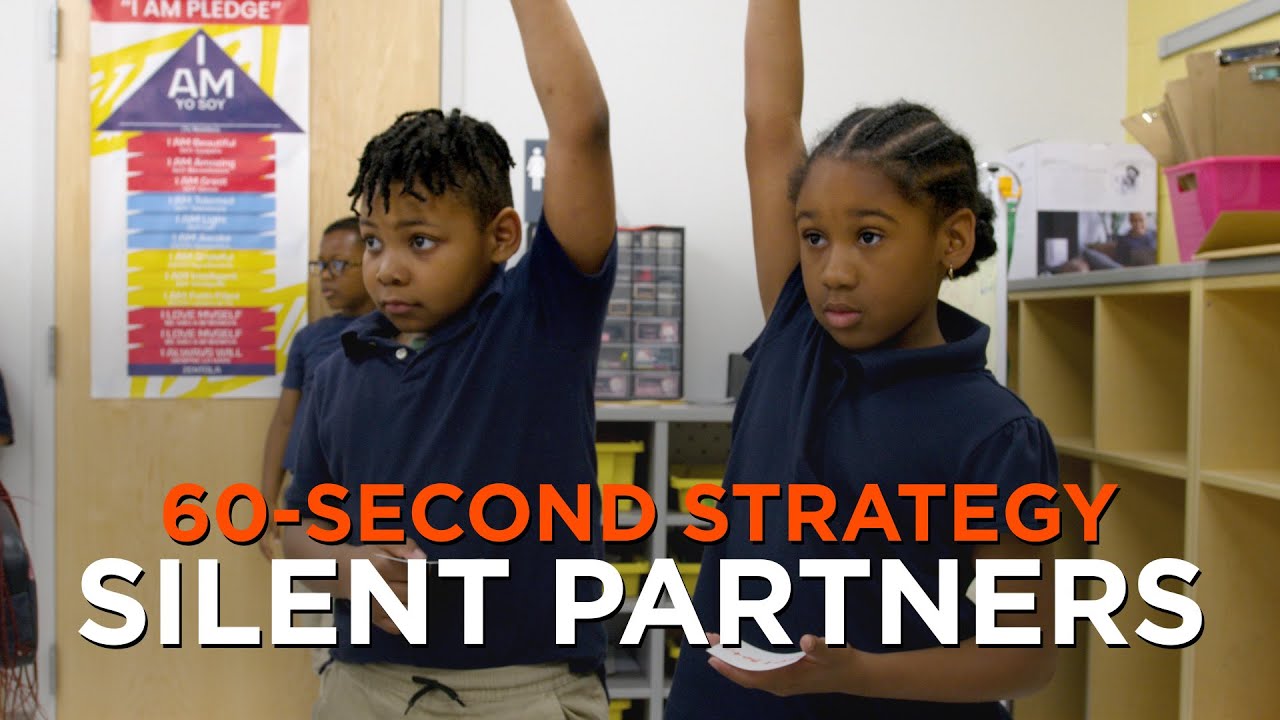
By regularly working in activities that get students to recall content they’ve learned in the past and apply it, teachers can ensure deeper understanding.60-Second Strategy: Silent Partners
When teachers bring this fun formative assessment game into a lesson, they get a snapshot of what students have understood, and what they haven’t.Classroom Routines That Support Mathematical Thinking
Elementary teachers can create opportunities throughout the day for students to strengthen their math knowledge.96kYour content has been saved!
Go to My Saved Content.The Case for Math That Connects to Students’ Lives
From algorithms to probability and game theory, the essential math shaping students’ futures is mostly missing in K-12 education, argues education advocate Ted Dintersmith.7 Research-Backed Ways to Boost Working Memory in Math
Short-term memory is finite and fills up quickly. Here are 7 ways we can free up space for clearer-headed mathematical thinking.Making Student Learning Visible in Math Class
The activity in the room may look like learning, but how can teachers be sure? These three interconnected strategies can help.60-Second Strategy: Math Attack
By incorporating this quick physical game into a math lesson, teachers help students focus on the task at hand.95.9kYour content has been saved!
Go to My Saved Content.7 Ways to Get Math Students to Show Their Thinking
Math isn’t just about answers—the process matters, too. These strategies spotlight reasoning and reveal student thinking.89.5kYour content has been saved!
Go to My Saved Content.Making the Most of Learning Objectives
Asking students to unpack learning objectives with a quick routine helps them connect prior knowledge and feel more prepared for the day’s lesson.42.6kYour content has been saved!
Go to My Saved Content.In High-Performing Math Classrooms, Words Matter
Math vocabulary alone isn’t a silver bullet—but research shows it’s linked to stronger academic achievement when paired with expert teaching practices.43.7kYour content has been saved!
Go to My Saved Content.
Why Students Should Write in All Subjects
Writing improves learning by consolidating information in long-term memory, researchers explain. Plus, five engaging writing activities to use in all subjects.379.1kYour content has been saved!
Go to My Saved Content.