English Language Arts
Explore and share tips, strategies, and resources for helping students develop in English language arts.
Creatively Pairing Texts to Support Students’ Engagement With Reading
High school teachers can focus on specific themes that connect works in different genres to create an engaging reading experience.A Collaborative Approach to Vocabulary Instruction
Elementary teachers can have students take on different roles and work together to build a more complete understanding of new words.Your content has been saved!
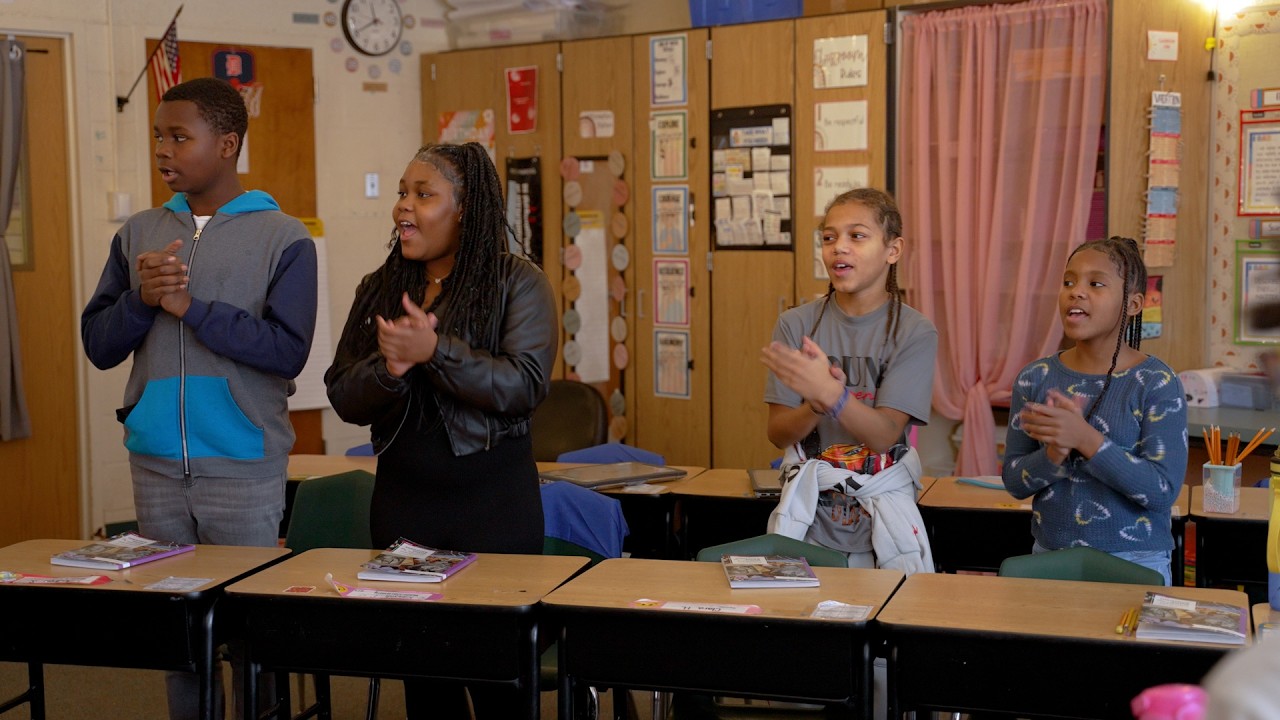
Go to My Saved Content.How Movement and Repetition Help Vocabulary Stick
A daily routine that combines visual, auditory, and kinesthetic inputs helps students learn new words, recognize them when reading, and remember their meanings.Which Reading Strategies to Try, and Which to Ditch
Research shows that some popular activities for reading instruction don’t actually result in more fluent readers—so we rounded up the most classroom-worthy ones.1.8MYour content has been saved!
Go to My Saved Content.Closing Gaps With What I Need (WIN) Time
This structured daily routine makes time for personalized small-group instruction—while building independence across the classroom.The Power of Pairs When Reading Aloud
A classic strategy called dyad reading—matching up students with different skill levels to read out loud in unison—helps both partners build confidence and fluency.3 Games to Amp Up Reading Instruction
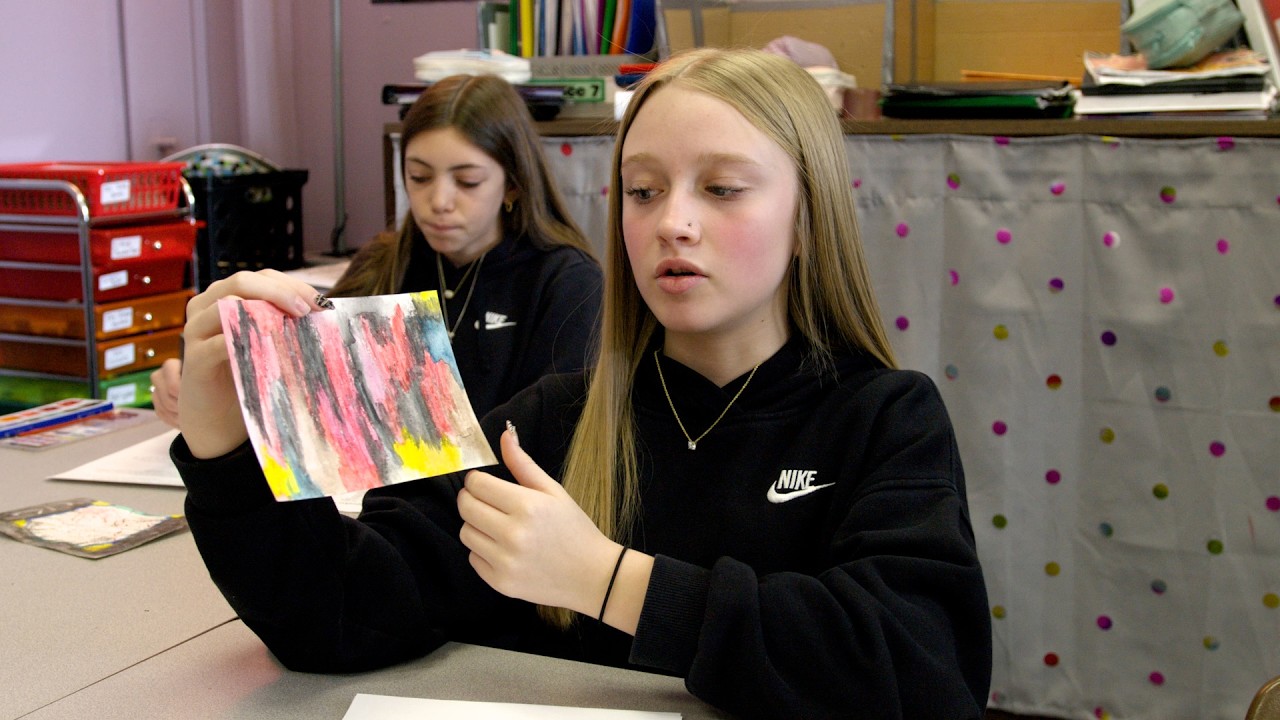
Gamifying literacy and phonics lessons teaches students valuable social-emotional skills, gives them regular movement breaks, and increases their engagement.Using Watercolors to Teach Mood and Tone
When students approach abstract concepts through hands-on activities like painting, their literary analysis skills improve—and their writing does, too.Streaming Toward Reading Fluency
When students record themselves reading aloud using an app—and then listen back to reflect on their own pacing and expression—their fluency improves over time.How Book Cover Keychains Boosted Our School’s Culture of Reading
This clever idea, which came from a librarian’s TikTok, is easy to carry out and encourages lively conversations about books.Exploring Narrative Elements Through a Drama Game
Using an improv exercise to practice the parts of a story gets ideas flowing for students—and helps them add structure to their writing.Teaching a Deeper Understanding of Language With a Yearlong Word Journal
Guiding elementary students to dive into learning about how a single word can boost their curiosity and vocabulary skills.An Approach to Structured Literacy for Older Struggling Readers
Teachers can use AI to generate age-appropriate leveled texts that encourage reading skills development.51kYour content has been saved!
Go to My Saved Content.Using Movement to Teach Vocabulary
When students explore new words through movement, they understand them better, retain them longer, and feel more empowered to use them.
5 Ways to Support Students Who Struggle With Reading Comprehension
These strategies can help students who are able to decode well but have difficulty understanding what they read—and they’re beneficial for all students.859.1kYour content has been saved!
Go to My Saved Content.