Social Studies/History
Explore and share tips, strategies, and resources for helping students develop in the social sciences.
How to Bring Social Studies to Life
By investigating familiar places, analyzing visual data, and exploring perspectives from the past, students can build a deeper understanding of history and culture.3.2kYour content has been saved!
Go to My Saved Content.An Effective Strategy for Teaching With Videos
Rather than showing long videos, teachers should design lessons that use clips as resources to spur class discussion.Your content has been saved!
Go to My Saved Content.How to Lock In New Vocabulary in 10 Minutes a Day
A weeklong vocabulary routine with movement and repetition helps students go beyond definitions and put new words to use in conversation and writing.Writing Notes by Hand for Better Processing
When teachers regularly pause during lectures so students can synthesize their thoughts with handwritten notes, content is more likely to stick.Pursuing a Master’s Degree for Professional Development
Getting an advanced degree in your discipline can have a significant impact on your students’ learning.995Your content has been saved!
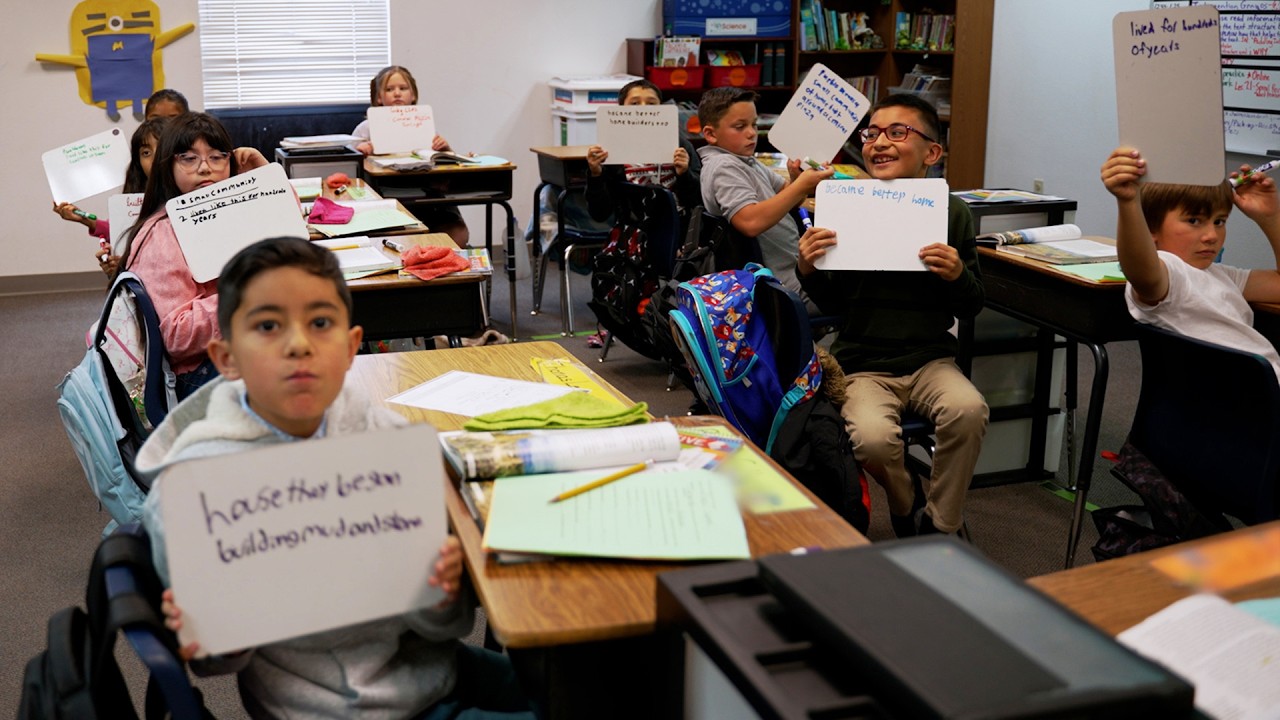
Go to My Saved Content.Increasing Participation With Individual Whiteboards
When an entire class uses mini whiteboards to make thinking visible, teachers can be confident everyone is focused on the task at hand.48.1kYour content has been saved!
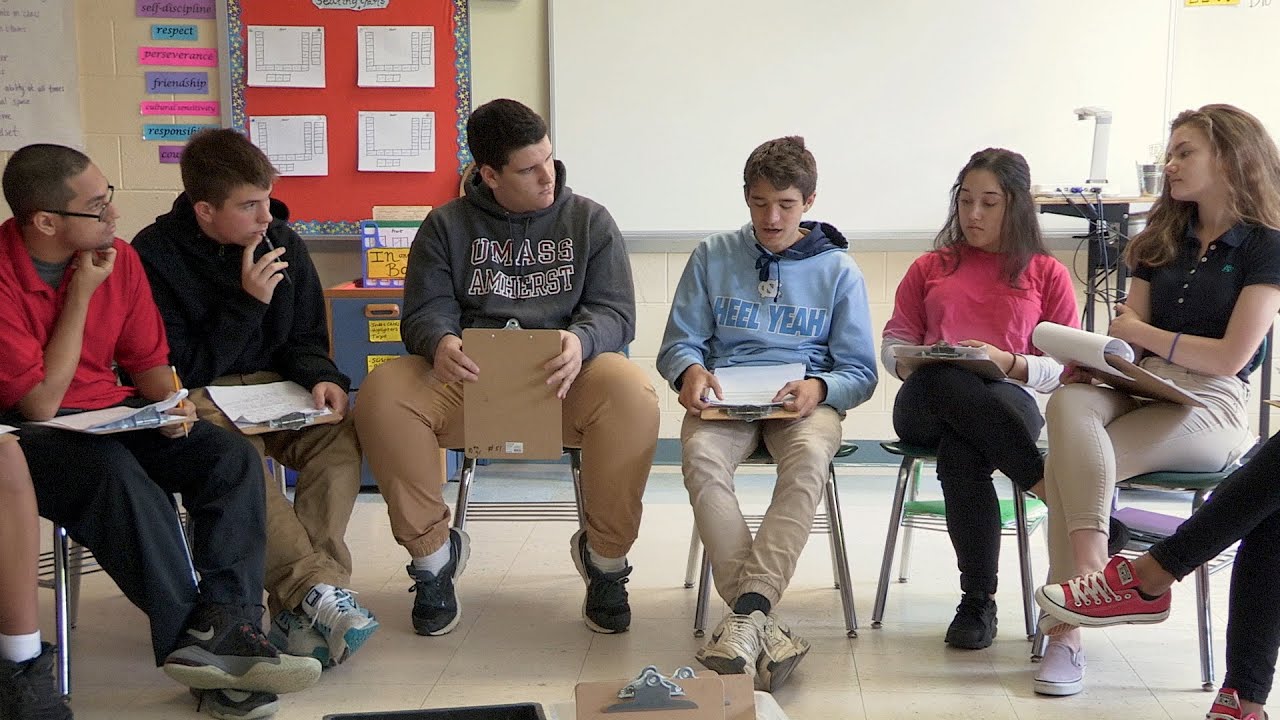
Go to My Saved Content.Scaffolding Discussion Skills With a Socratic Circle
Students deepen their understanding and build a sense of community by engaging with their peers’ reasoned arguments.292.1kYour content has been saved!
Go to My Saved Content.Using the Local Community as a Focus for Elementary Social Studies
This four-step process helps teachers develop standards-aligned instruction that fosters students’ connection to their home.How an Anti-AP Teacher Learned to Enjoy Teaching an AP Class
The exams have clear requirements, but this Government and Politics teacher created a rich learning experience that encouraged students’ curiosity.1.3kYour content has been saved!
Go to My Saved Content.Inquiry-Based Tasks in Social Studies
Assignments that are bigger than a lesson and smaller than a unit are a good way to experiment with inquiry-based learning.207.4kYour content has been saved!
Go to My Saved Content.Evaluating Primary Sources Through a See, Think, Wonder
By taking the time to observe, make inferences, and ask great questions about historical artifacts and images, students learn to avoid jumping to conclusions.60-Second Strategy: Quick Sorts
In this formative assessment game, table groups compete against each other to categorize key terms and concepts from the previous night’s assignment.Warming Up Cold Calling by Writing Ideas Down First
When students can respond to questions on mini-whiteboards prior to being called on, they feel more prepared—and everyone participates in thinking through the answers.Talking Politics: Valuing Different Perspectives
Students learn how to share and listen to opposing beliefs with empathy.206.5kYour content has been saved!
Go to My Saved Content.6 Free Online Resources for Primary Source Documents
The Common Core Learning Standards describe the importance of teaching students how to comprehend informational text. Primary source documents are artifacts created by individuals during a particular period in history. This could be a letter, speech, photograph or journal entry. If you're looking to integrate social studies into your literacy block, try out one of these resources for primary source documents.299.2kYour content has been saved!
Go to My Saved Content.