Science
Explore and share tips, strategies, and resources for helping students develop in science.
Reducing Homework by Ensuring That More of the Learning Happens in Class
For a high school physics teacher, assigning less homework meant comprehensively revamping assessments and how each class session was set up.4.7kYour content has been saved!
Go to My Saved Content.Exploring Before Explaining Sparks Learning
New elementary science teachers can build student engagement and enhance learning by using the explore-before-explain approach.Your content has been saved!
Go to My Saved Content.Real, Fake, or Deepfake? This Lesson Helps Students Decide
Students examine videos and online information to investigate what is real and what is not in this engaging lesson.104.2kYour content has been saved!
Go to My Saved Content.Podcast: How to Teach Students to Spot What’s Real, Fake—or Deepfake
This engaging (and fun!) lesson helps students build essential digital literacy skills for the AI age.
1.3kYour content has been saved!
Go to My Saved Content.Teaching CER in Middle School Science With a 5-Day Structure
The claim, evidence, reasoning framework is a lot of thinking all at once for middle school students. Here’s a way to break it down.231Your content has been saved!
Go to My Saved Content.
Why Students Should Write in All Subjects
Writing improves learning by consolidating information in long-term memory, researchers explain. Plus, five engaging writing activities to use in all subjects.377.7kYour content has been saved!
Go to My Saved Content.7 Digital Resources for Your Elementary Science Tool Kit
Teachers can use these websites and apps to enhance learning tasks, making them more engaging without adding tons of prep time.1.7kYour content has been saved!
Go to My Saved Content.Why Kids Should Nature Journal at All Grade Levels
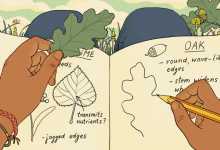
A 2023 review makes a strong case that hands-on observation of natural phenomena has both academic and psychological benefits.Designing Science Inquiry: Claim + Evidence + Reasoning = Explanation
The Claim, Evidence, Reasoning framework is a scaffolded way to teach the scientific method.594.5kYour content has been saved!
Go to My Saved Content.Helping Students Look Beyond Grades With Visual Rubrics
When students see their content mastery mapped out, they’re more likely to understand their proficiency—and take ownership of their progress.Helping Teens Build Skills Through Station Rotation
When large concepts are broken into small chunks—and learned through hands-on activities—students find confidence to tackle new challenges.6.7kYour content has been saved!
Go to My Saved Content.Teaching the Concept of Equity Through Gardening
Plants can illustrate how different people need different things to be nourished—and how equality and equity differ.192.7kYour content has been saved!
Go to My Saved Content.Solidifying Core Concepts With Examples and Non-Examples
Asking students to identify an example of what something is—and importantly, what it isn’t—helps establish clarity and leaves little room for misconception.Applying Literacy Standards Across Content Areas
High school teachers in all classes can help students strengthen their reading, writing, speaking, and listening skills.Encouraging Collaboration With a Scientists Circle
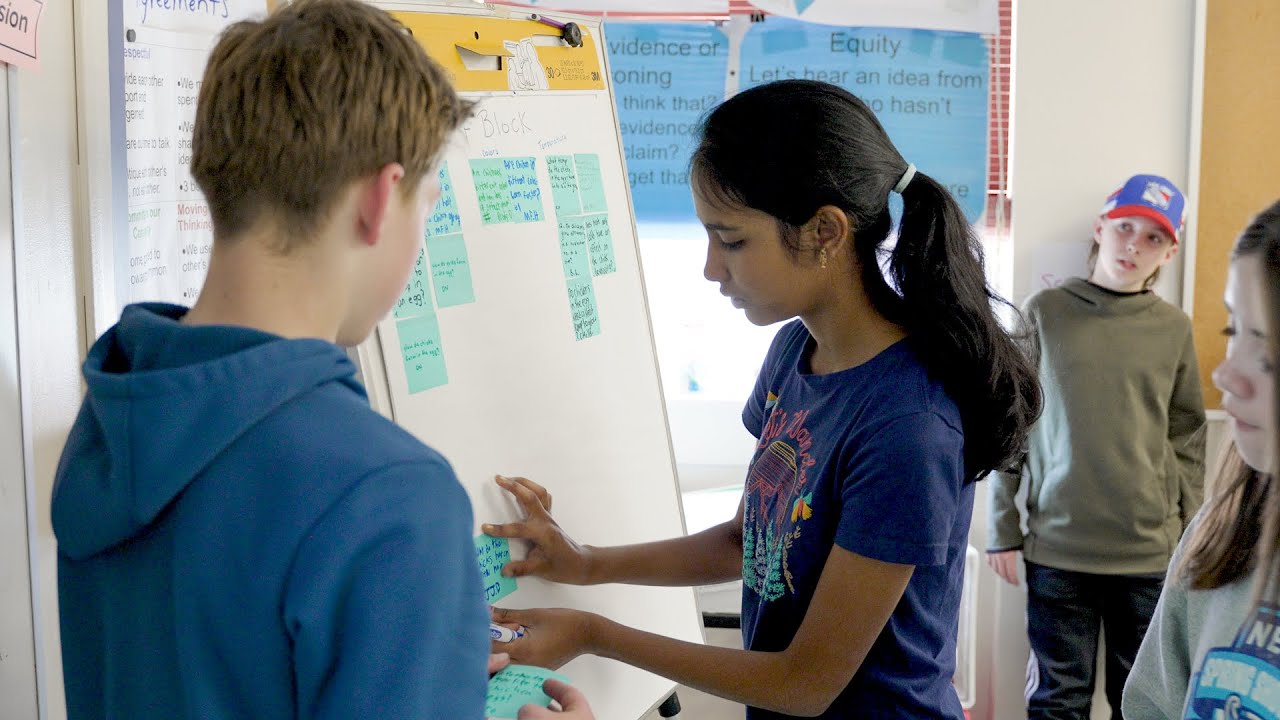
This routine creates an equitable structure for sharing out ideas, questions, or evidence in science class—and helps ensure every student takes part.57.6kYour content has been saved!
Go to My Saved Content.